
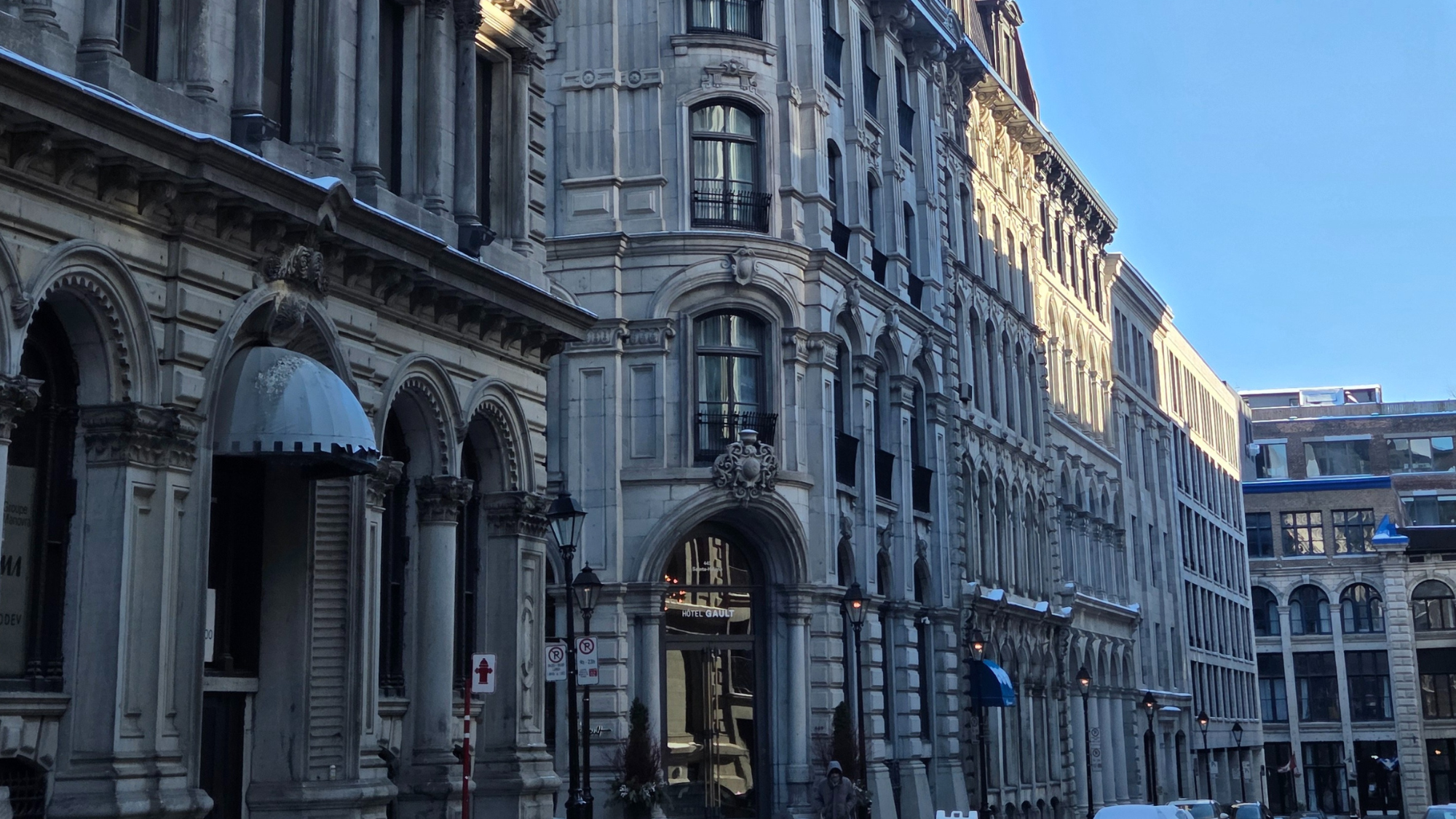
Many dental clinics operate in older buildings in Montreal, often chosen for their character, location, or affordability. However, the structure of an older building can have a direct impact on how a dental clinic functions day to day. Factors such as humidity, ventilation, and insulation all influence the performance and longevity of sensitive dental equipment, especially in a city with a demanding climate like Montreal.
Older Buildings in Montreal and Dental Equipment Performance
Older buildings in Montreal were not designed with modern dental equipment in mind. Construction standards, materials, and building systems differ significantly from newer commercial spaces. In a dental clinic, these differences can create environmental conditions that place added stress on equipment used daily.
Uneven temperature control is common in older buildings in Montreal, particularly during winter and transitional seasons. When insulation is inconsistent, rooms may heat and cool at different rates. This fluctuation can affect dental equipment performance by increasing internal stress on mechanical components.
Over time, repeated exposure to unstable conditions contributes to gradual wear that may not be immediately noticeable but can shorten equipment lifespan.
Humidity Levels and Their Impact on Equipment
Humidity is one of the most significant environmental factors affecting dental equipment. In many older buildings in Montreal, humidity control is limited or uneven due to aging infrastructure. Basements, upper floors, and spaces near exterior walls may experience higher humidity levels than ideal for a dental clinic environment.
Excess humidity can lead to condensation forming inside dental equipment. Moisture buildup interferes with lubrication, increases friction, and encourages corrosion of internal components. Even small amounts of moisture, when repeated over time, can affect performance and reliability.
Managing humidity consistently across the dental clinic becomes more challenging when building systems were not designed for precise environmental control.
Ventilation Challenges in Older Structures
Ventilation plays a critical role in maintaining stable air quality and temperature. Many older buildings in Montreal rely on outdated ventilation systems that were designed for residential or light commercial use, not for a modern dental clinic with heat-generating equipment.
Poor ventilation can trap moisture and warm air, raising humidity levels and preventing proper drying of dental equipment between uses. In some cases, ventilation systems struggle to circulate air evenly, leading to pockets of stagnant air where equipment is more vulnerable to environmental stress.
Upgrading ventilation is not always simple in older buildings, making routine maintenance and monitoring even more important for clinics operating in these spaces.
Insulation and Temperature Stability
Insulation quality varies widely in older buildings in Montreal. Walls, ceilings, and windows may allow heat loss in winter and excess heat gain in summer. For a dental clinic, this lack of insulation consistency leads to temperature swings that affect both staff comfort and equipment performance.
Dental equipment functions best within a stable temperature range. When insulation gaps allow cold air infiltration or heat buildup, equipment experiences repeated expansion and contraction. Over time, these cycles contribute to increased wear and reduced efficiency.
Improving insulation where possible or adjusting storage and usage practices can help mitigate these effects, even when full building upgrades are not feasible.
Operational Impacts on the Dental Clinic
Environmental factors such as humidity, ventilation, and insulation influence more than just equipment longevity. In a busy dental clinic, unexpected performance issues can disrupt schedules, reduce productivity, and increase downtime.
Clinics in older buildings in Montreal often experience more frequent maintenance needs as a result of these conditions. Recognizing the role the building environment plays allows clinic managers to plan servicing more proactively and avoid sudden equipment failures.
Regular inspections and early intervention become especially important when environmental stress is an ongoing factor.
Managing Risk in Older Montreal Buildings
While relocating is not always practical, dental clinics can reduce risk by adapting their maintenance strategies. Monitoring humidity levels, ensuring ventilation systems are functioning properly, and addressing insulation weaknesses where possible all support better equipment performance.
Clinics operating in older buildings in Montreal benefit from working with repair professionals who understand how building conditions affect dental equipment. Tailored maintenance schedules and early diagnostics help offset the challenges posed by aging infrastructure.
Long-Term Performance and Planning
Understanding how the physical space impacts dental equipment performance allows a dental clinic to make informed decisions. Older buildings in Montreal require a more proactive approach, particularly when humidity control, ventilation limitations, and insulation gaps are present.
With consistent monitoring, preventative maintenance, and awareness of environmental stressors, clinics can maintain reliable performance even in less-than-ideal building conditions.
If your dental clinic operates in an older building in Montreal and you are noticing performance issues or increased maintenance needs, Hayes Handpiece Repair can help. Our technicians understand how environmental factors like humidity, ventilation, and insulation affect dental equipment over time.
Hayes Handpiece Repair offers dependable local service, inspections, and repairs tailored to the realities of Montreal clinics. Contact Hayes Handpiece Repair to schedule an evaluation, discuss preventative maintenance options, or address ongoing equipment performance concerns before they lead to costly downtime.
Leave a Reply