
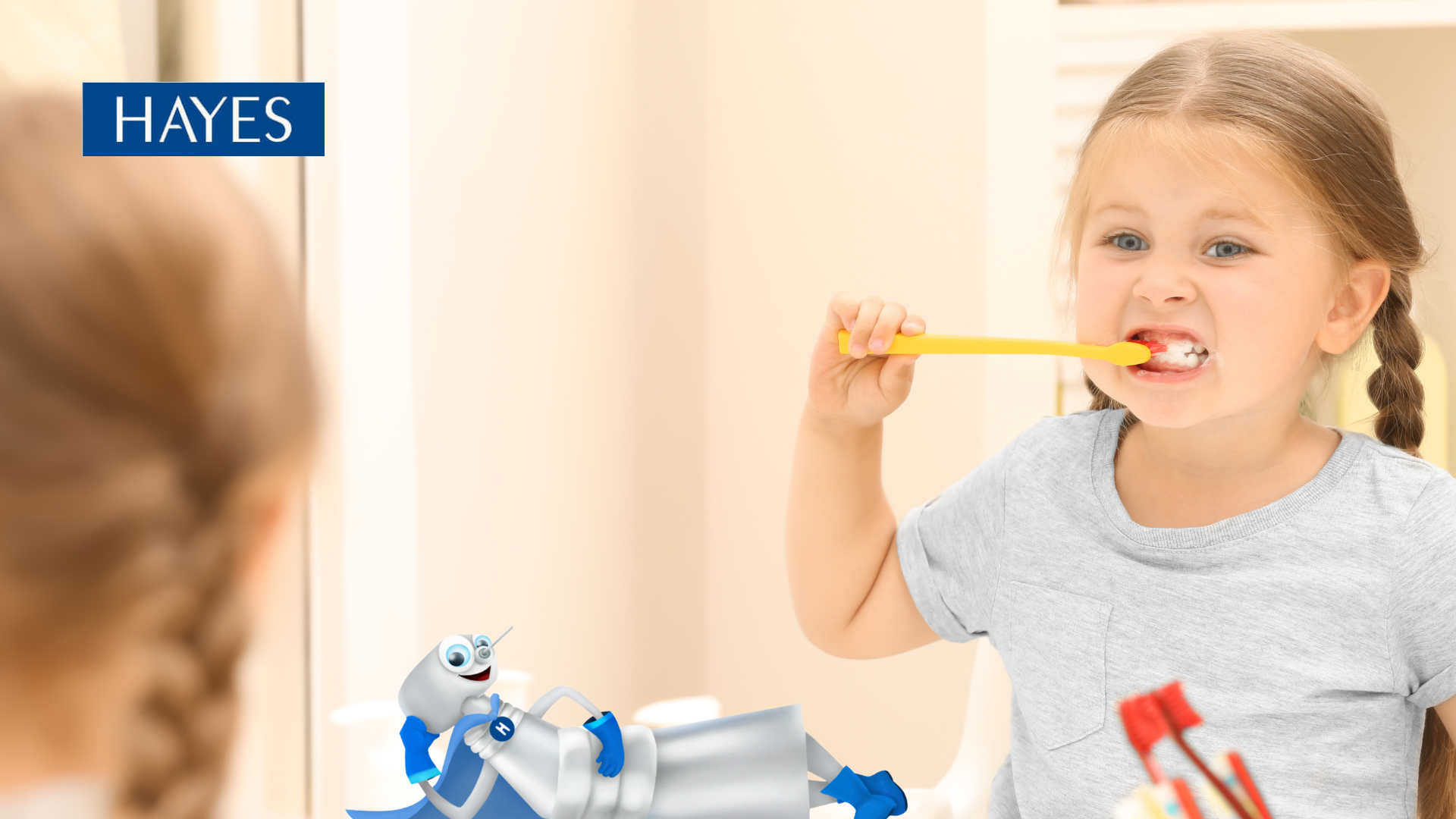
As a parent, it is your responsibility to ensure that your child’s teeth and gums are healthy. The early childhood years are a crucial period for the development of healthy teeth and gums, and it is essential to take preventive measures to avoid common dental issues. Here is a guide for parents on how to ensure their child’s dental care during the early years.
Preventing Tooth Decay in Early Childhood
One of the most common dental issues during early childhood is tooth decay. This can be caused by a buildup of plaque on the teeth, which is a sticky film of bacteria that forms on the teeth. The bacteria in plaque produce acid that can damage the enamel on the teeth, leading to tooth decay and cavities. To prevent tooth decay, parents should establish good dental care and hygiene habits early on, including proper brushing and flossing techniques, and limiting sugary foods and drinks.
Addressing Thumb-Sucking Habit in Early Childhood
Another common issue during early childhood is thumb-sucking. This habit can cause problems with the alignment of teeth and jaw, and it is important to address it early on. Parents can work with their child to break the habit through positive reinforcement, rewards, and reminders.
Importance of Regular Dental Check-ups and Fluoride Treatments
Regular dental check-ups and fluoride treatments are also important for preventing dental issues during early childhood. Dental check-ups allow dentists to detect any issues early on and provide appropriate treatment, while fluoride treatments help strengthen tooth enamel and prevent decay.
As a parent, you play a crucial role in ensuring your child’s dental health during the early years. By understanding and addressing common dental issues, you can help your child develop healthy teeth and gums that will last a lifetime. Remember to schedule regular dental check-ups, establish good oral hygiene habits, and address any habits that may affect your child’s dental health. With your guidance and support, your child will have a healthy smile for years to come.
Leave a Reply